Showing posts with label Winter. Show all posts

Tuesday, February 6, 2018

6 Things You Can Check Off Your Garden To-Do List


Spring is closer than you think and February is a great month to do some preparation, clean-up, and planning. Here are a few items to check off the garden to-do list and get your yard ready for spring!

Watch out for strong winds. 
Spring often comes early to the Desert Southwest. Winds can stress new plantings and burn young leaves. 
Water deeply and make sure all new trees are STAKED PROPERLY. Use multiple poles and soft ties to keep trees from breaking or blowing over.


Finish planting Dormant Pot Roses and Fruit Trees.  
All planting should be completed by Valentine’s Day or the plants may not survive the coming summer heat.


“Wake up” Established roses.  
About 3 weeks after pruning, get roses ready for the spring blooming period with the “Star Potion” discussed in StarNote 605, Fertilizer Mixture for Established Roses. 


Fertilize fruit trees and grapes early in the month.  
The greatest need for nitrogen is about 6 weeks before and after bloom. Proper feeding during this period helps ensure the highest quality fruit. The use of a soil alkalinity modifier like Con-Gro can substantially enhance your plant's uptake of nutrients. The “Star Potion” for fruit trees is discussed in StarNote 610, Fertilizer Mixture for Established Fruit Trees. 


Frost-damaged plants.  
If damaged by a freeze or hard frost, leave plants unpruned and undisturbed until later in spring. Pruning or transplanting after such damage may further weaken or kill the plant. When new growth emerges, you’ll see where to prune it.


Prevent spring lawn weeds 
An application of a granular pre-emergent weed control product, like Amaze® or Bonide Crabgrass and Broadleaf Weed Preventer, give excellent pre-emergent control in tree wells, shrub and flower beds.

Thursday, September 14, 2017

Fall Veggie Gardening 101 - Pssst... It's Easier Than You Think


Vegetables have been grown successfully in desert climates for many years. This is often a great surprise for gardeners that are new to the desert. Soil preparation is very important in producing crops here. For the home gardener a few basic rules apply:
  •  Don’t try to garden in caliche or hard-pack clay! If you have an impermeable layer near the surface, build raised beds and fill them with a mixture of native soil and bagged organic material like Dr. Q’s Paydirt™ Planting Mix, or if you plan a larger garden try our pre-mixed landscape soil.
  • Use the right fertilizers for what you’re trying to grow. Leaf crops need lots of nitrogen; root and fruit crops like carrots and peas need less nitrogen and more phosphorus and potassium. A Star Nursery sales associate can help you pick the right fertilizer. A good choice is Dr. Q’s® Tomato & Vegetable Food.
  • When amending vegetable beds, a mix of no more than one-half organic material to the native soil will suffice. To keep the soil fresh and viable, add more organic material each time you plant a new crop. Add Dr. Q’s® Gold Dust Starter Fertilizer, according to package directions, a day or so before planting.


  • Surface mulches help prevent weeds, conserve water and protect plant roots. Cedar Mulch will repel insects without the use of pesticides. Use them generously.
  • Pests can often be controlled by hand and sprays of water from the hose. The biggest pest in winter vegetable gardens, besides aphids, is usually the cabbage looper, which can be safely controlled with organic sprays like Spinosad ® or equivalent bacillus thuringensis (BT) product. ALWAYS FOLLOW LABEL DIRECTIONS.
  • If your vegetable bed will be used again in the spring and summer, you may want to plan for some afternoon shade.

Here are some of the Vegetables For The Cool Season:


Beets (Dec through Jan– seed): Prefers sandy soil. Plant regularly for long harvest season. Harvest young; older beets tend to be woody.


Broccoli (Sep—seed; Oct thru Feb–transplants): Easy to grow; side shoots continue to produce long after the main head is harvested. Recovers well from extremely cold weather.


Brussels Sprouts (Sep-seed; Oct-transplants): Larger plant prefers good drainage. Pick cabbage-like heads when smaller than a golf ball. A single plant may yield 50-100 sprouts.


Cabbage & Kale (Sep to Nov—seed, and transplants):


Carrots (Sep.; Feb to May—seed): Choose short varieties unless you have excellent soil a foot or deeper, otherwise carrots will be distorted and stunted. Plant them often for fresh crops and harvest when young for best flavor. 


Cauliflower (Late July-seed; Feb, Oct-transplants): Similar to broccoli. Use large leaves at the base to cover over developing head to keep it white, or it will mature purple or green (but still tasty).


Collards & Mustard (All year—seed/ transplants): Different plants with similar appearance, taste, and culture. Choose “hot weather” varieties if available.


Lettuce (All year–seed/transplants): Leaf lettuce, like Black Seeded Simpson and Romaine, can be grown all year. Head lettuce can only be grown in the cooler parts of the year and is more difficult. Plant every two weeks for a good, regular crop–favorite food of loopers, snails, quail and neighborhood cats…


Onions, Dry (Oct to Mar–seed or sets): Thin early; harvest next year after the tops wither.


Onions, Green (Sep to June–seed or sets): Easy from sets; plant regularly for a continual crop of young, sweet onions. 


Peas (Nov; Feb—seed): Bush varieties are much easier to deal with. Try snap and sugar hybrids and choose heat resistant varieties if available. Prefer rich soil with excellent drainage.


Radish (All Year—seed): Gets pithy and hot fast, especially in poor soil. Plant small quantities every two weeks for a regular supply. Enrich soil for sweetest, mildest radishes.


Spinach (Sep to Oct; Feb—seed): Thin plants to 6 inches apart. Feed once during the season. Cut off at ground level to harvest, avoiding the extra grit that comes from pulling up the whole plant.


Tomato (Aug to Sep—transplants): Made possible by long desert growing season. Plant fast developing varieties like Early Girl for a late fall crop. May need to harvest green in late October or early November to prevent frost damage. Wrap in paper and store at room temperature. Will keep through most of the winter. Place in kitchen window when you want them—they’ll ripen in a few days.


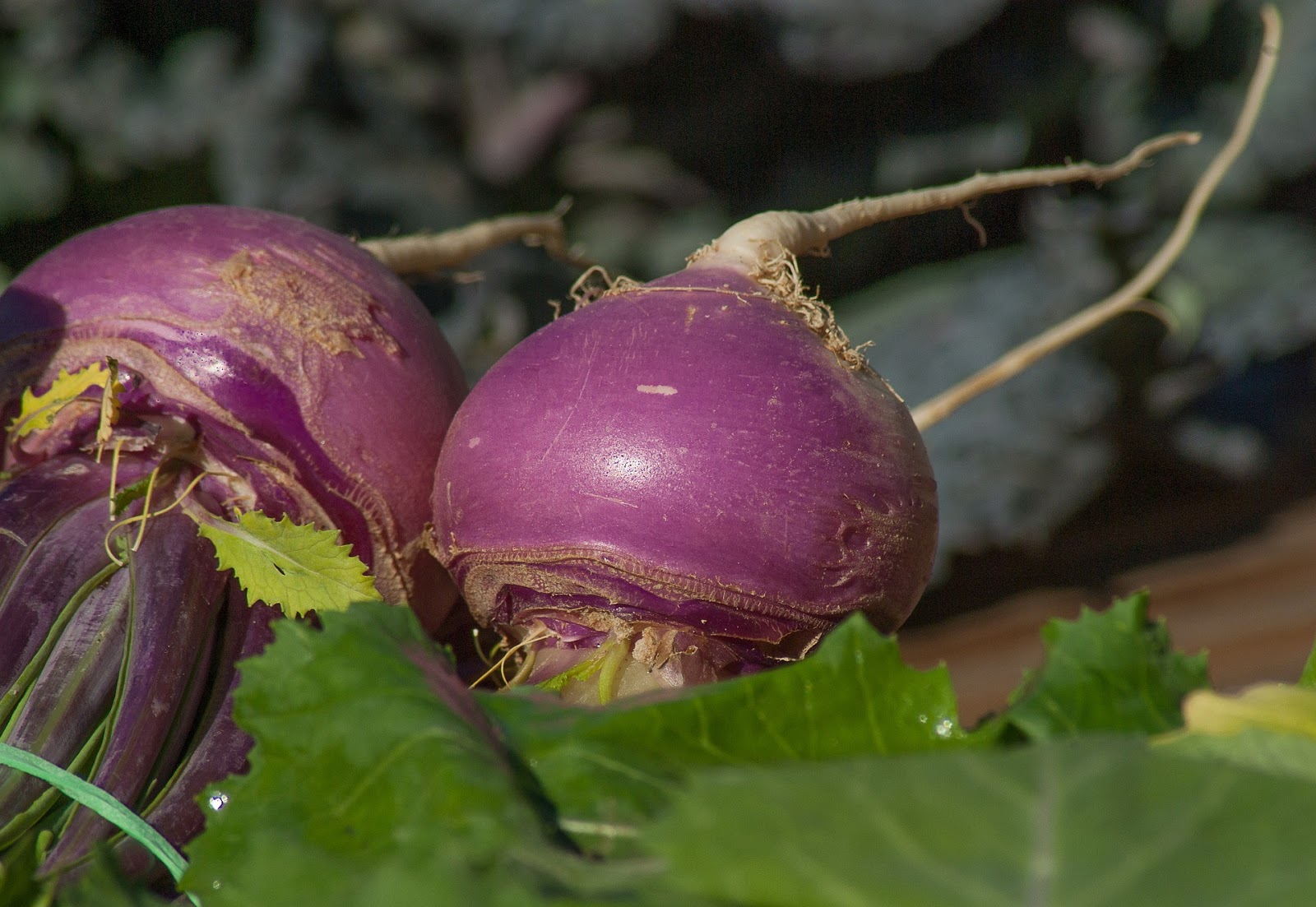
Turnips & Rutabagas (Aug to Oct; Feb—seed): Grow turnips for a relatively quick crop; rutabagas if you want to store them. Both have tasty greens which can be sparingly harvested without hurting the developing bulb.

For More Information On Growing Cool Season Vegetables, Check Out Star Note #200.

Tuesday, September 12, 2017

10 Cool Season Flowers To Up Your Garden Game


Many people don’t consider flower gardens in fall because they believe it to be a short season.  After all, winter is coming.  Shrubs and trees go dormant and flowers 
don’t do well in the winter cold, right?

  Not exactly--winters in southwest deserts are traditionally mild.  There are a surprising number of flowering plants that like cooler weather and tolerate severe cold snaps as well. Not only are there flowers  that survive winter, but there are several that will
 blossom all winter and thrive in the cold weather.

 Here are some of our favorite annual cool season varieties:


Calendula is a compact plant with large yellow or orange flowers.  It does well planted in masses, borders or containers.  Clip spent flowers to encourage repeat blooming.  At its peak in late fall and early spring.


Carnation is very hardy, takes full sun and needs no protection in winter. Garden varieties normally seen as bushy, compact dwarfs, thrive under routine care. Shades range from scarlet through pink to white. Some are sweetly fragrant.


Cyclamen has unusual and beautiful blooms. It prefers light shade to filtered sun, is a low water user with good drought tolerance. Flowers range from white magenta, red and purple.


English Primrose is a classic, cool weather favorite that does very well in filtered sun to full shade.  Large-leafed and compact, it has flower stems in rich colors of yellow, pink, purple and white.  Plant in shaded areas where pansies, stock and kale would perform poorly.


Ornamental Cabbage and Kale are edible but prized for their deep colors of purple, pink and white.  The colder the weather, the brighter the colors!  Excellent in borders or masses; surround with smaller cool season flowers like pansies and violas.  Plant smaller specimens in fall, larger sizes in winter.


Pansy is a very popular, tough little plant available in nearly every color imaginable!  Majestic Giants have large flowers with “faces,” the Crown varieties have vivid colors without faces.  Plant these in fall through winter in any sunny spot.  Not bothered by the coldest weather.  Great in masses, borders or containers!  Pick spent flowers and pinch back occasionally to keep compact shape.


Stock is an old fashioned favorite known for its strongly fragrant flowers.  It blooms profusely in shades of purple, lavender, pink and white right through the winter and into late spring.  Midget or Green Leaf Stock is a short variety with brighter flowers.  Trysomic or Seven Week Stock is taller and bushier.  Use the tall varieties for background color and shorter varieties as borders or mixers.


Viola resembles a miniature pansy with loads of purple, yellow or bicolor flowers atop pansy-like foliage.  It’s delicate, tough and attractive.  Plant in borders or masses, or mix with other cool season flowers.


Here are some of our favorite cool season (perennial) varieties:


Dianthus is a member of the carnation family that makes perfect mounds of color in fall and spring.  Deadhead after blooming. Shows nearly endless color varieties from deep red through pink, purple, white and bicolor.  You’ll even get summer blooms if the plant has some afternoon shade. In the winter Dianthus will stay green and healthy, but you are not likely to see many flowers. Will also grow well in part shade.  Plant anywhere in the garden.  


Snapdragon is a winter specialist! You will have blooms from September through May. Can survive summers if it develops deep roots or gets afternoon shade. Snaps are available in many colors and sizes; Dwarf varieties are excellent for masses, foregrounds, and borders.  Taller varieties work well as background plantings.  All do well in containers.  Self- sows readily and produces endless color variations due to cross pollination.

For More Information On Planting Cool Weather Flowers, Check Out Star Note #305.


Thursday, January 19, 2017

Tuesday, November 29, 2016

Real Is Better!


Don't Forget To Attend Our Free Seminar
 on 
All Star Nursery Locations.
10am & 2pm

Friday, January 8, 2016

It's Time to Prune Your Fruit Trees!


If you have fruit trees but haven't had much success with them, you may be just 
a few steps away from the most rewarding season yet.

It's time to get outside on a Sunday morning armed with
 a couple of good tools and a good strong cup of coffee.

Pruning is often avoided because of the labor commitment and the intimidation of making the wrong cut, but it's a key component of boosting your personal fruit factory's production.


A good pair of bypass pruners can usually do the trick for younger trees as long as you're pruning limbs that are an inch in diameter or less.


Look to remove limbs that are crossing other limbs that can cause friction and damage to the branches you want to keep.
Make sure not to remove more than 25% of the branches in one pruning season.


Once you've successfully pruned your trees, you'll want to spray them with a Horticultural Oil to kill any overwintering insects or their eggs.

It's best to use a tank sprayer to get the best coverage. Mix the oil into the sprayer according to the directions and coat the limbs, trunk, base and surrounding ground of the tree.


If you're worried about fungus you can do the same thing with a liquid Fungicide.

Taking these precautionary steps during the dormant season is a small price to pay for the extra fruit that you're bound to see come spring and summer.


Don't miss out on our Free Star Seminar of Fruit Tree Pruning and Care this Saturday at 10am and 2pm at All Star Nursery Locations

Also, see our Star Note on Fruit Tree Selection, Planting and Care.


Monday, January 4, 2016

Your Living Room Doesn't Know It's Winter


Making a resolution to get healthier? Well don't forget to add cleaning up the air in your home to your get-healthy checklist.


Houseplants are a great way to add some peace and tranquility, not to mention personality and style, to your living space. You can find a plant for just about every corner of every room.


Take this Mother in Law's Tongue that you see above. There are many different leaf variations of this species. They are low light loving and drought tolerant making them one of the most fool-proof plants to buy. Not to mention the dramatic spires that this prolific multiplier send out, could really be used to make a bold statement in your room.


If the more traditional houseplants aren't really your style, 
then consider the vast world of succulents and cacti.

Most people don't realize that these can be grown indoors with direct sunlight and are really great for adding a unique twist. With so many options to choose from, it's hard to pick just one. 
Don't worry though, these plants with their contrasting colors and leaf shapes, actually look better when they are paired with multiple varieties.


For more ideas and information check out the houseplant and cacti/succulent section at your nearest Star Nursery!