Showing posts with label Flowers. Show all posts

Thursday, May 3, 2018

7 Foolproof Ways To Prepare For Summer


1. Reset sprinkler clocks to increase watering length due to increased temperatures. The best time to water is between the hours of 3 and 6 AM. Check with any Star Nursery for a copy of the Southern Nevada Water Authority Watering Guide or Drought Watering Restrictions Guide. Inspect your irrigation system for correct water delivery to all plants.

2. Control wild unwanted Bermuda by fertilizing and watering it until it is lush (this will make the plant more vulnerable), then treat with a non-selective grass killer like Remuda® or Round-up®. Several treatments may be necessary for effective control. An alternative is to cultivate Bermuda. It makes a dense, water efficient turf when properly contained and cared for. Treated areas can be replanted or re-seeded after dead turf is removed. These herbicides are also effective in treating tree wells and shrub beds without harm to desirable plants. Remember – keep herbicide off of desirable plant foliage!

3. Aggressively manage insect pests with insecticides or organic controls. Paint fruit tree trunks with white, water-base paint or use tree wrap to protect from sunburn and help prevent borer infestation.

4. Refresh potted plants by adding new potting soil or shifting overgrown house and patio plants into larger containers with fresh soil. Use a long slow outdoor watering to leach buildup of fertilizer and water-soluble salts. Apply a mild fertilizer like Dr. Q’s® Gold Dust (5-10-5) or Dr. Q’s Houseplant Tonic (5-3-1). Use cache-pots to surround patio plants and keep them from overheating. Increase watering frequency as needed.

5. Prune desert plants.  Now is a good time to do light pruning on low-water-use plants and reduce stress from overgrown foliage and seedpods. Be careful not to expose tender trunks to full sun if they’ve been well shaded previously.

6. Be picky about fertilizer.  Most ornamentals will benefit from a mild feeding of a complete, packaged fertilizer like Dr. Q’s® TreeShrub & Vine Food (16-8-4). Fertilize lawns before the end of the month to get them through the first heat wave. Renew mulches as necessary.


7. Plant heat-loving flowers like Texas BluebellsStar FlowersVincaMarigold, Moss Rose, and Zinnias. Amend soil thoroughly and use surface mulches to make them more water efficient. Continue to plant summer flowers like Dahlias and Cannas.

For more information on what to do in the garden throughout the year, check out Star Note #100

Thursday, March 29, 2018

Your April Garden Checklist

 
Brighten up your yard.  Plant all kinds of annual and perennial flowers for spring and summer color. Set out ground covers. GazaniaIceplantsHearts and FlowersIvyVerbena and Australian Racer are some good choices. After planting, use a pre-emergent weed control. See our friendly sales associates for details.
 
Pretty but destructive.  Watch for skeletonizers on grape leaves. Adults are iridescent purple moths and the attractive caterpillars are striped blue and yellow (with stinging, irritating hairs). Untreated they will strip all the green from the leaves very quickly. Several generations a season may weaken or kill your vines. Treat with Bacillus Thuringensis (Bio Worm Killer or Thuricide) which will kill all kinds of caterpillars but won’t hurt anything else.
 
Apply mulches on the surface of your vegetable and flower beds and around trees and shrubs. It keeps the soil cool and helps moisture retention. Paydirt™ Planting Mix is an excellent choice for all mulching needs. Bark mulch is a good alternative in high wind areas.

Give lawns a workout to prepare them for the hot summer months. StarNote 820, Lawn Care and Maintenance Calendar, lists fertilizer choices (StarNote 825 for Southern Utah). Continue overseeding as needed and aerate the lawn every 2-3 years.
 
Vegetable tips.  Mulch tomatoes to conserve soil moisture and water deeply, but not every day, to encourage deep rooting and discourage blossom drop. Plant warm season vegetables like squash, peppers, beans, and melons. Plant hot season tomatoes like Heatwave which will continue to produce as temperatures climb. Feed monthly with Dr. Q’s® Vegetable & Tomato Food (6-10-6)

For more information on monthly garden advice, check out Star Note #100

Monday, March 12, 2018

Get The Flower Garden Of Your Dreams!


 From seed or nursery transplants, in the yard, in containers or hanging baskets, flowers brighten our property and add to the pride of ownership. How do you plant warm-season flowers? Finding a spot with sunshine that you can also get a shovel into is a great start! Most colorful blooming flowers have much more tender roots than trees or shrubs so it is important that you have rich garden soil. 
Due to our poor native soil, it is best to add organic material like Paydirt™ Planting Mix or Humus Gro, with a liberal addition of Dr. Q’s® Gold Dust Starter Fertilizer. Install your flowers, water with a solution of Dr. Q’s Plant Tonic, fertilize monthly and enjoy! Container gardens are super too!
FAVORITE SEASONAL “Annual” VARIETIES:
 
Alyssum is a low, bushy, spreading plant covered with small fragrant flowers in shades of white, pink or purple. They self-sow readily and resprout in spring. Excellent in borders or mass plantings. Be sure you want them where you put them!
 
Begonia makes a colorful addition to any shady garden area. Bronze or shiny green, semi-succulent foliage is highlighted with delicate flowers in white, pink or red. Good in containers. Variety New Guinea is taller and bushier with larger flowers. Be sure this one has excellent drainage.
 
Buddy Purple has papery purple flower heads atop compact bushy foliage. Good for edging, beds or pots. Cut flowers are excellent in dried arrangements.
 
Celosia gives bright garden color in the hottest weather.  New Look has purplish red foliage and feathery, deep red flower spikes.  Plume Celosia has green foliage with feathery flower spikes in shades of yellow, pink and red. Makes an excellent full sun accent, border or background. Groom as needed to keep neat.
 
Cosmos is a delicate, fernlike plant with large, bright daisy-like flowers in shades of pink, purple, white, or lavender. It frequently reaches 3 feet in height and makes a good background or accent. Plants self-sow freely.
 
Impatiens give delicate color to shady areas, patio containers, atriums, and entryways. Succulent stems bear flowers in a wide variety of colors. Needs good garden soil and excellent drainage.
 
Lobelia makes an excellent trailing plant for shady containers, window boxes, and hanging baskets. In shady gardens, it makes a nice, compact accent or border. In varieties like Cambridge Blue and Crystal Palace, rich blue flowers contrast with bright green or bronzy green leaves. Other varieties may be pure white, pink or blue with a white eye.
 
Marigold comes in an endless variety of colors and sizes. From dwarf to giant, in colors of bright yellow, orange and red, this plant has always been a favorite of gardeners in the southwest. Equally, at home in containers or gardens, it self-sows readily. It’s great in full sun and better without overhead water.
 
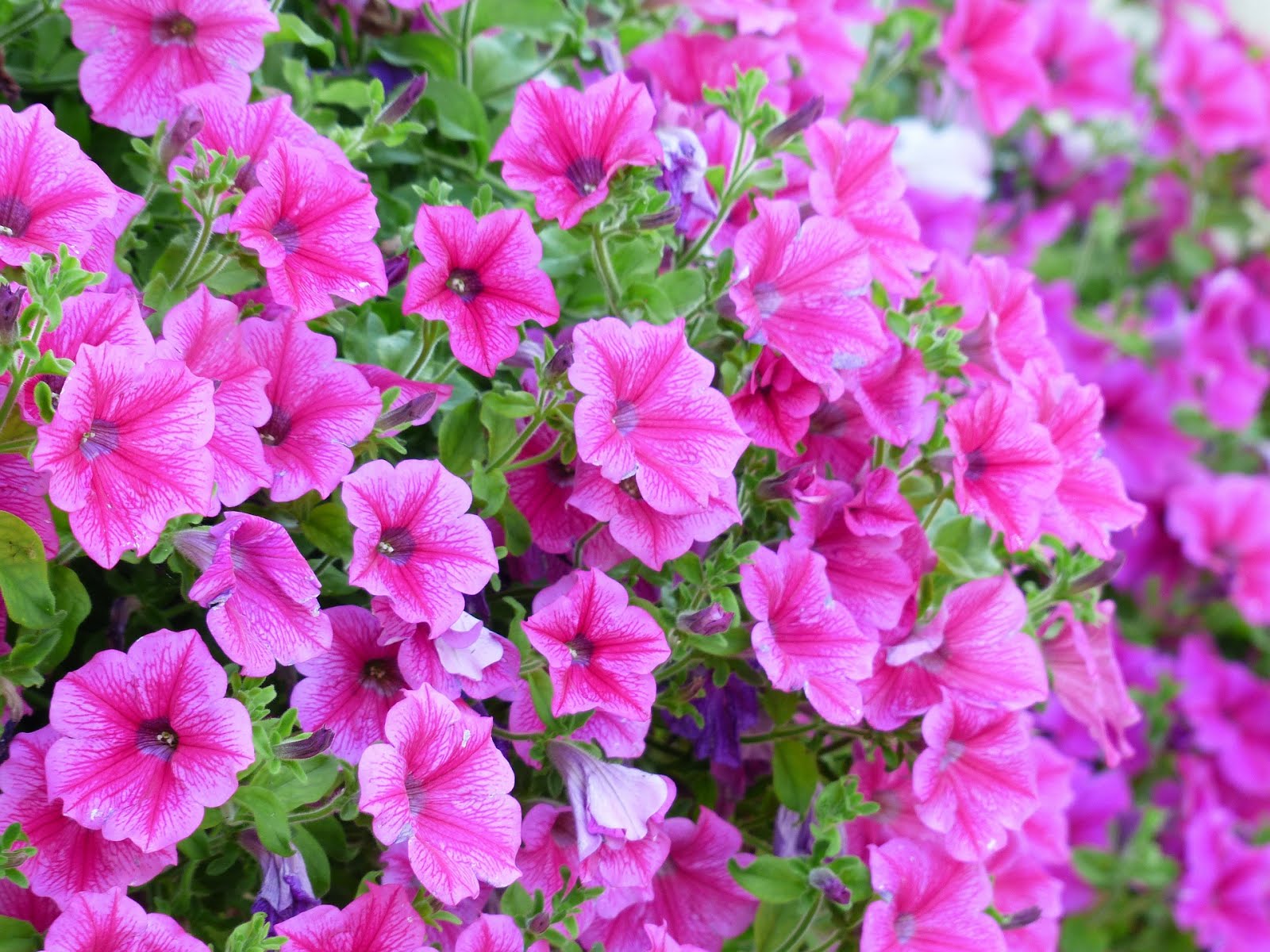
Petunias are marked by large, trumpet-shaped flowers on compact, bushy plants. Shades range from pure white through purple, pink, red and bicolor. Some varieties are sweetly fragrant. Excellent in massed plantings, spring and fall; needs afternoon shade in summer to look good. May carry over in mild winters.

Vinca is a showy, glossy green, heat-loving plant with flowers in unusual shades of grape, raspberry, blue, red, rose, white and bicolor. Excellent in masses, as borders or spot accents. Avoid overhead sprinkling. It may return from seed next year.
 
Zinnia makes a spectacular addition to any summer garden. Ranging in size from dwarf to 3 feet or more, this heat lover produces flowers in nearly every shade imaginable. Good in pots; remove spent flowers to encourage repeat blooming. Avoid overhead sprinkling.

YEAR-ROUND “Perennial” FAVORITES:
Dianthus is a member of the carnation family that makes perfect mounds of color in spring and fall. Blooms off and on throughout the rest of the year. Shows nearly endless color varieties from deep red through pink, purple, white and bicolor. Will also grow well in part shade. Plant anywhere in the garden.
 
Dusty Miller is highly favored for its soft, silvery gray foliage. It’s excellent for formal borders and accents in traditional or desert gardens. Stalks of mustard-yellow flowers appear in summer. Remove them to keep the plant vigorous. This one is rabbit resistant!

Gazania is a bright, cheery, heat-loving plant available in trailing or clumping varieties. Trailing types make excellent ground covers while clumping plants are perfect for spot accents, masses or borders. Colors range from white to burgundy, yellow, orange, red and bicolor. Don’t over water this one!
 
Lantana is one of the most versatile, colorful plants available for our climate. Varieties include trailing, mounding, and bush with shades of purple, orange, yellow, red and multicolor. Use it as a ground cover, accent, border or clipped, low hedge. Prune in spring when new growth appears.
 
Pentas are wonderful, spreading, multi-stemmed perennials grown as annuals in our climate. Compact plants are continually covered with clusters of white, pink, lilac or red flowers. Superb as borders, masses or accents. Takes overhead watering better than most bedding plants.

Snapdragon is available in many colors and sizes. Dwarf varieties are excellent for masses, foregrounds, and borders. Taller varieties work well as background and accent plantings. All do well in containers. Self-sows readily and produces endless color variations due to cross-pollination.
For more information on Warm Weather Flower Gardening, check out Star Note #310.

Tuesday, September 12, 2017

10 Cool Season Flowers To Up Your Garden Game


Many people don’t consider flower gardens in fall because they believe it to be a short season.  After all, winter is coming.  Shrubs and trees go dormant and flowers 
don’t do well in the winter cold, right?

  Not exactly--winters in southwest deserts are traditionally mild.  There are a surprising number of flowering plants that like cooler weather and tolerate severe cold snaps as well. Not only are there flowers  that survive winter, but there are several that will
 blossom all winter and thrive in the cold weather.

 Here are some of our favorite annual cool season varieties:


Calendula is a compact plant with large yellow or orange flowers.  It does well planted in masses, borders or containers.  Clip spent flowers to encourage repeat blooming.  At its peak in late fall and early spring.


Carnation is very hardy, takes full sun and needs no protection in winter. Garden varieties normally seen as bushy, compact dwarfs, thrive under routine care. Shades range from scarlet through pink to white. Some are sweetly fragrant.


Cyclamen has unusual and beautiful blooms. It prefers light shade to filtered sun, is a low water user with good drought tolerance. Flowers range from white magenta, red and purple.


English Primrose is a classic, cool weather favorite that does very well in filtered sun to full shade.  Large-leafed and compact, it has flower stems in rich colors of yellow, pink, purple and white.  Plant in shaded areas where pansies, stock and kale would perform poorly.


Ornamental Cabbage and Kale are edible but prized for their deep colors of purple, pink and white.  The colder the weather, the brighter the colors!  Excellent in borders or masses; surround with smaller cool season flowers like pansies and violas.  Plant smaller specimens in fall, larger sizes in winter.


Pansy is a very popular, tough little plant available in nearly every color imaginable!  Majestic Giants have large flowers with “faces,” the Crown varieties have vivid colors without faces.  Plant these in fall through winter in any sunny spot.  Not bothered by the coldest weather.  Great in masses, borders or containers!  Pick spent flowers and pinch back occasionally to keep compact shape.


Stock is an old fashioned favorite known for its strongly fragrant flowers.  It blooms profusely in shades of purple, lavender, pink and white right through the winter and into late spring.  Midget or Green Leaf Stock is a short variety with brighter flowers.  Trysomic or Seven Week Stock is taller and bushier.  Use the tall varieties for background color and shorter varieties as borders or mixers.


Viola resembles a miniature pansy with loads of purple, yellow or bicolor flowers atop pansy-like foliage.  It’s delicate, tough and attractive.  Plant in borders or masses, or mix with other cool season flowers.


Here are some of our favorite cool season (perennial) varieties:


Dianthus is a member of the carnation family that makes perfect mounds of color in fall and spring.  Deadhead after blooming. Shows nearly endless color varieties from deep red through pink, purple, white and bicolor.  You’ll even get summer blooms if the plant has some afternoon shade. In the winter Dianthus will stay green and healthy, but you are not likely to see many flowers. Will also grow well in part shade.  Plant anywhere in the garden.  


Snapdragon is a winter specialist! You will have blooms from September through May. Can survive summers if it develops deep roots or gets afternoon shade. Snaps are available in many colors and sizes; Dwarf varieties are excellent for masses, foregrounds, and borders.  Taller varieties work well as background plantings.  All do well in containers.  Self- sows readily and produces endless color variations due to cross pollination.

For More Information On Planting Cool Weather Flowers, Check Out Star Note #305.


Thursday, July 13, 2017

One Step To Healthier Plants, Better Soil And Less Water!


Would you like to have healthier plants, better soil and use less water? Regular use of mulches can give you all this and more.

What, exactly, is mulch? Mulch is organic or inorganic material that is used as a protective covering placed around plants to prevent evaporation of moisture, insulate roots, and prevent weed growth. It can be coarse or fine and even consist of rocks in some landscapes. “Compost” is mulch that had completed the composting (or decomposition) process. Mulch is for surface applications only, while compost can be used as a mulch or planting mix.

Regular use of mulch also helps drainage and improves the soil. Most mulches release natural humic acids when broken down by soil microbes. These acids neutralize alkali deposits frequently found in our native soils and make nutrients more readily available to plants. Mulch also cools the soil while reducing water use during the hot summer months. Some mulches like bark and rock are highly decorative in the landscape. Others can also be used as amendments to improve soil at planting time. Here are examples of the most common mulches normally used in our area:


Dr. Q’s®Paydirt™ Premium Planting Mix and Mulch is a peat moss based, a fully composted product with a small charge of long-lasting organic fertilizer added. It is free of sewer sludge and adds to soil structure, over time, when used as surface mulch. Best when applied as a 1 or 2-inch layer twice a year in spring and fall. Specially formulated for our tough desert soils, Paydirt™ is also the best soil amendment available! Mix it with landscape soil to get all your plants, flowers and vegetables off to the best possible start.


Humus Gro and Top Dressing are fully composted, humus-based products that give a rich color to the soil surface when used as mulch. They also break down naturally when used as surface mulches and release beneficial humic acids. These products can also be used as seed covers and soil amendments. Apply 1 or 2-inch layer in spring and fall to provide maximum benefit to plants.


Bark mulches insulate the soil from heat and cold as well as control evaporation. Coarse, medium and large bark mulches are especially useful in high-wind areas since they aren’t likely to blow around like fine-grained products. Apply a 2-inch layer around plants and in shrub beds. Do not mix bark mulches into the soil. They remove nitrogen during the composting process and can cause plant stress if used incorrectly. Scatter fertilizer on top of the bark when feeding your plants. It will speed composting while providing proper plant nutrition.

Bulk or bagged rock is a decorative landscape product that doubles as mulch by reducing evaporation from the soil in covered areas around desert shrubs, trees and cactus. Rock is normally applied in 1 to 2-inch layers. Since it is highly heat-reflective, be careful when using it around traditional plants. Leave a 2 or 3-foot circle around those plants and use bark or humus-based mulch instead. If using rock over a large surface area, keep in mind that sandstone rock decomposes into the soil rather quickly, while quartz rock does not.


Grass clippings and leaves are frequently used as mulches by the home gardener. If using these materials, do not mix them into the soil as they remove nitrogen while undergoing the natural composting process. This can cause severe plant stress. Consider building a composting bin (wire fencing works well). Add the leaves and clippings, sprinkle with a high nitrogen fertilizer like Ammonium Sulfate (21-0-0) or a commercial compost starter product. Water and turn the pile over every 2 weeks or so. You’ll have a fully composted mulch in about 6 weeks which will be fine to use around your flowers, trees, and shrubs.
For more information on keeping your plants healthy, check out Star Note 900A!